GPU Depreciation and Cloud Market Shakeup
Assesses tier differentiation among neoclouds, networking disparities, and legacy GPU residual value write-downs.
5 sources · ↑1.7×Voices in this topic
All paragraphs
Oct 27, 2026
- Shanghao Jin In his view, lower token prices hurt the residual value of older GPUs but do not overturn the case that GPUs and compute remain scarce. He says a two- to three-year payback is still assured and cards can be used for five years; investors simply should not assume they will …
- He reads Anthropic’s slower revenue growth as a supply constraint, not a lack of customer demand. He cites Anthropic’s S-1, which attributes the slowdown in its revenue outlook to insufficient GPU supply: customer demand is strong, but …
Oct 25, 2026
Oct 24, 2026

Oct 23, 2026

Oct 22, 2026
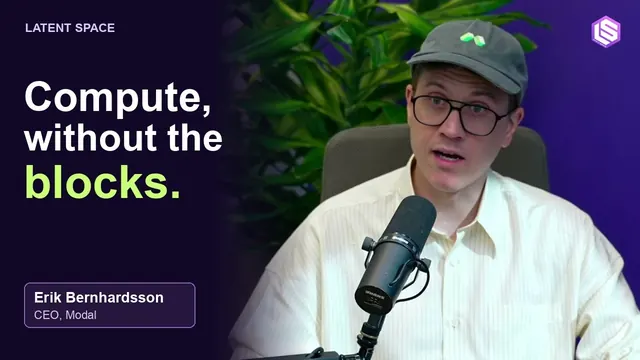
- Latent Space The GPU procurement market changed sharply in the past year: Modal went from hyperscaler spot capacity and one-year reservations to working with almost 25 clouds, signing three-plus-year deals with meaningful upfront payments, and building a four-person procurement desk and a ten-person bare-metal engineering team. Capacity is often sold in “three-year rectangles” starting months ahead, while real demand is bursty. Modal’s proposed advantage is …
- Erik Bernhardsson Bernhardsson says Modal is, to some extent, “effectively long GPU prices already” through locked-in reservations, but worries more about a price collapse than further spikes. Hardware prices eventually tend to fall; today’s scarcity rent flows mostly to NVIDIA and partly to neoclouds, while buyers who locked up …
- Latent Space He explains the neocloud growth model: presell five years of chips to a large buyer, take the contract to Wall Street to raise money, then buy the hardware—“pre-sell things that you haven’t even bought.” He names Endscale as an example of a company that went from nowhere to a pipeline worth hundreds of billions of dollars despite having …
Oct 21, 2026

Oct 17, 2026

Oct 16, 2026
Oct 9, 2026
Oct 8, 2026
Oct 3, 2026

- Chase Lochmiller Crusoe manages commodity risk by selling three products across the AI stack: “data centers, GPUs, and tokens.” Five-year GPU contracts with reliable customers provide payback and cash flow, shorter contracts carry higher margins and renewal risk, and …
- The interview’s sharpest challenge to consensus is that GPUs may remain economically useful far longer than investors assume. Crusoe depreciates chips over six years, yet Hoppers bought in 2023 now command higher usage prices than when new; older, slower chips can …
Oct 1, 2026

Sep 27, 2026

Sep 23, 2026
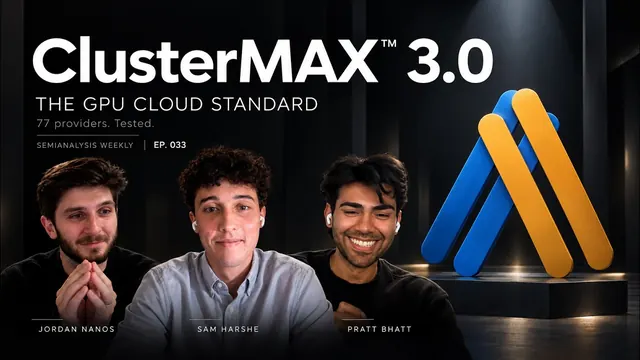
- SemiAnalysis ClusterMAX 3.0 lands with a real shakeup: Nebius joins CoreWeave in the Platinum tier, Google Cloud joins Oracle in Gold, Azure slips to Silver, and AWS, Crusoe, and Together all fall into Bronze. SemiAnalysis ranked 77 providers this cycle, tracks 323 in its neocloud model, and has now interviewed over 200 end users — depth that makes …
- Sam Harshe The GPU market is in "ridiculous backwardation": buyers will pay almost anything for chips deliverable in weeks, while waiting a few months earns a big discount. Sam Harshe's warning is that this flatters everyone — "just about everyone in the industry looks like a genius right now... even if your …
- SemiAnalysis Old-GPU terminal value is resolving bullishly, against Dr. Burry's depreciation criticism: four-year H100 contracts are being signed today, and "OpenAI has never given up an A100" — chips from 2020. The mechanism is physical: GB300 racks run 140–200kW versus 30–40kW legacy facilities that can't host Vera Rubin, so those sites will likely …